

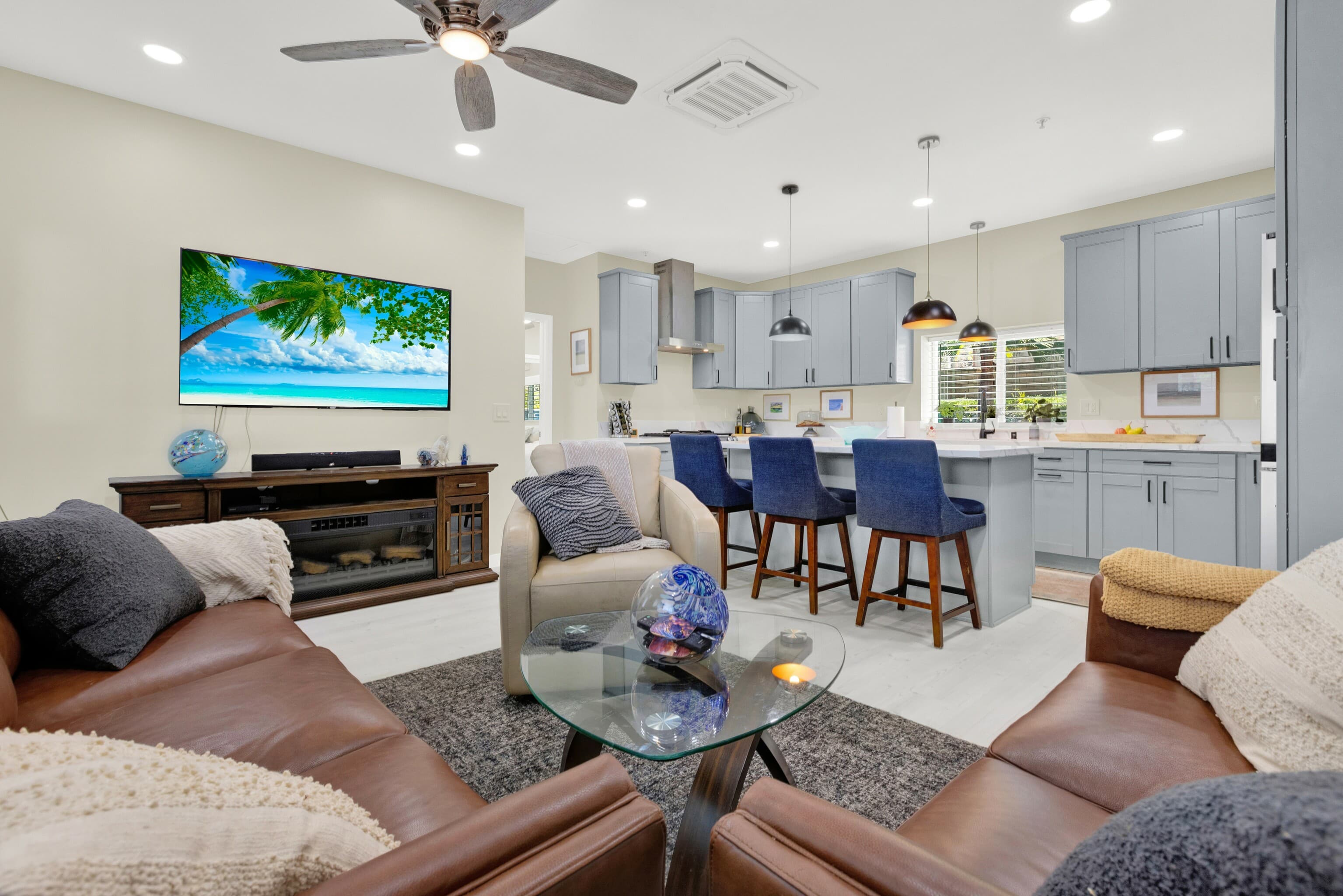
Newsom signed AB 956 and SB 1117 on Sept. 29. Here's what two detached ADUs per lot, lower impact fees, and AB 1815 mean for San Diego homeowners in 2027.
Over the summer we wrote about two ADU bills working their way through Sacramento: AB 956, which would allow two detached ADUs on a single-family lot, and SB 1117, which would trim the impact fees on larger units. On September 29, Governor Newsom signed both of them as part of a package of housing bills, along with a factory-built housing bill that matters to anyone considering a prefab unit.
They are no longer "would" bills. Here is what is now law, when it starts, and how it should shape the plans you are making this fall.
When the new rules take effect
None of the three bills carries an urgency clause, so they take effect January 1, 2027. Until then, current law still governs any application you submit.
That timing matters if you are mid-design. A project that is permitted in November under today's rules will not automatically pick up the new allowances, and a plan that depends on them — a second detached unit, for instance — should be timed so the application lands under the 2027 law. If you are unsure which side of the line your project falls on, that is a question worth settling before you finalize drawings, not after.
AB 956: two detached ADUs on one single-family lot
AB 956, by Assemblymember Sharon Quirk-Silva, is now Chapter 791 of the 2026 statutes. It changes one line of state ADU law with real consequences: the ministerial pathway — the over-the-counter approval cities must grant if a project meets the standards — now covers two detached, new-construction ADUs on a lot with a single-family home, instead of one.
The guardrails on each unit stay the same as before:
- Setbacks: a city cannot require more than four feet on the side and rear
- Size: a city may limit each unit on this pathway to 800 square feet of livable space
- Height: the existing state height rules for detached ADUs still apply
The JADU trade-off
The signed version keeps the catch we flagged in August. A local agency is not required to ministerially approve a junior ADU on a lot where two detached ADUs have already been built.
In practice that means choosing between two shapes of project:
- Two detached cottages — two foundations, two roofs, two sets of utility runs, and two standalone rentals or family homes
- One detached cottage plus a JADU carved out of the existing house — usually far less construction, but a unit that shares walls with you
Neither answer is universally better. Lot size, slope, access for equipment, sewer and electrical capacity, and how you plan to use the space all push the decision one way or the other. That is why our process starts with feasibility on your actual lot before anyone commits to a layout.
HOAs have less room to say no
AB 956 also amends Civil Code sections 714.3 and 4751, the provisions that void HOA rules prohibiting or unreasonably restricting ADUs. The protection now reaches any lot "zoned to allow single-family residential use," a broader phrase than before. Associations can still impose reasonable restrictions — design or placement standards, for example — but not outright bans. For the many planned communities across North County, that is a meaningful shift.
SB 1117: impact fees only on the square footage over 750
SB 1117, by Senator Cervantes, is now Chapter 809. It amends Government Code section 66311.5, the section that governs impact fees on ADUs.
The existing exemptions stay in place: no impact fees on an ADU of 750 square feet or less of interior livable space, or on a junior ADU of 500 square feet or less.
What changes is the math above the line. Under current law, a unit over 750 square feet is charged proportionately based on its full size. Starting in 2027, impact fees on that unit apply only to the area in excess of 750 square feet. An 850-square-foot ADU, in other words, is assessed on 100 square feet rather than on all 850.
A few things this does not do:
- It does not touch plan check and building permit fees, which pay for review and inspection
- "Impact fee" in this section still excludes connection fees and capacity charges from water and sewer providers, which follow their own rules
- School fees remain a separate scheme with their own thresholds
The practical effect is that the penalty for going a little past 750 square feet gets much smaller. If an extra bedroom or a more usable kitchen pushes your plan to 800 or 850 square feet, the fee consequence is now proportionate to what you actually added. It is still worth asking your jurisdiction for a fee estimate early, but the 750 line is no longer the cliff it used to be.
AB 1815: one statewide standard for factory-built homes
The third bill is not written specifically about ADUs, but it may matter to anyone weighing a modular or prefab unit. AB 1815, now Chapter 782, bars cities, counties, and districts from imposing local building standards on factory-built housing structures that exceed or differ from the mandatory standards in the California Building Standards Code.
There is an exception: a local agency can still make modifications reasonably necessary for health and safety because of local climatic, geological, or topographical conditions, if it makes the required finding. That exception will matter in parts of San Diego County where fire and slope conditions drive local amendments.
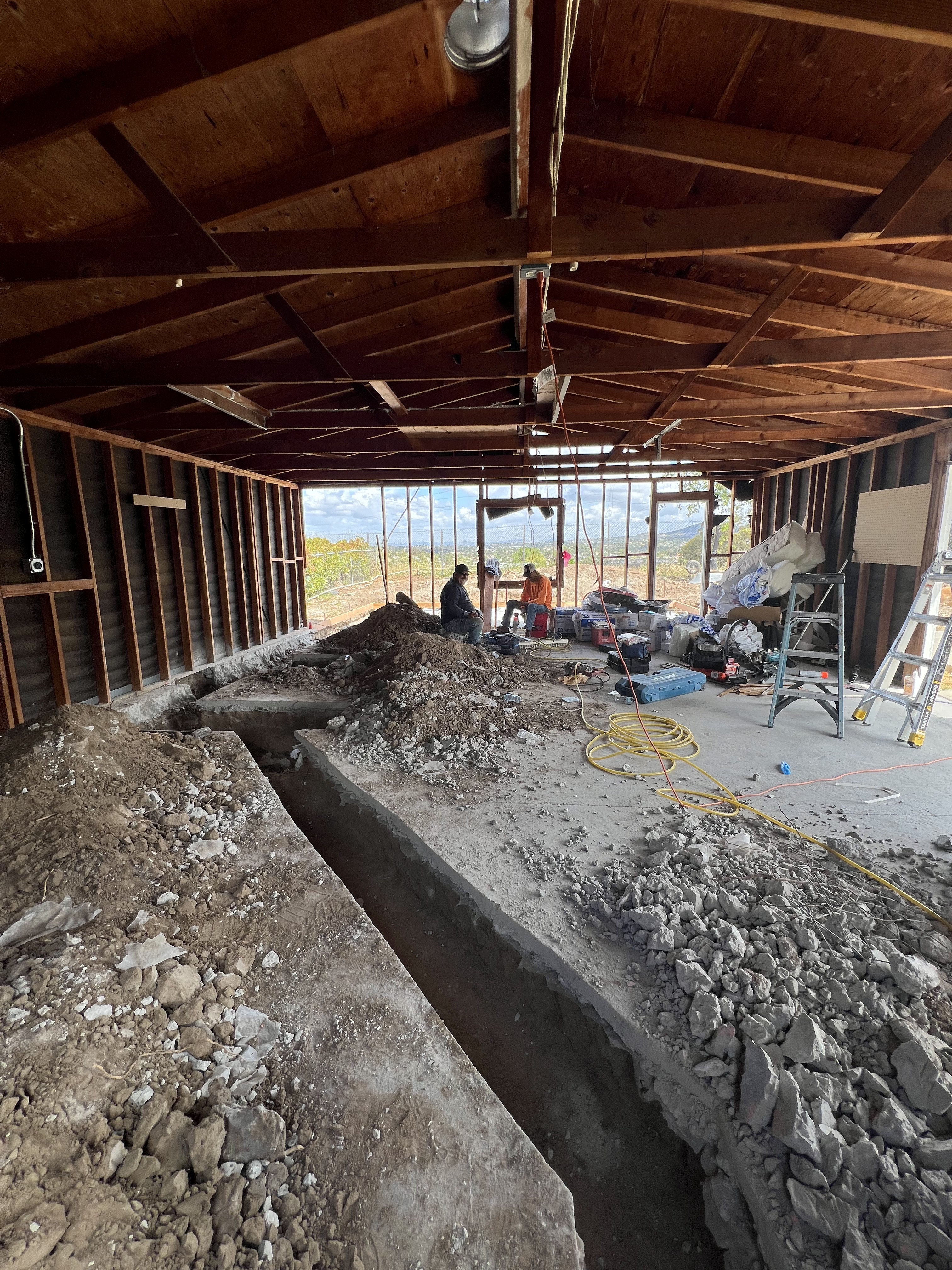
The goal is to keep factories from retooling their product for every jurisdiction they ship into. Whether that shows up as lower prices or shorter lead times for homeowners will depend on how manufacturers respond, so we would not build a budget around savings yet. What it does mean is fewer jurisdiction-specific surprises when a factory-built unit arrives for local permitting. A prefab box is still only part of the project, though — the foundation, utility connections, site work, and inspections happen on your lot, and that is where most schedules are won or lost.
What to do if you are planning an ADU now
A few practical steps for homeowners across San Diego County:
- Decide whether 2027 matters to your plan. If you want two detached units, or your design sits just over 750 square feet, timing your permit application for January could change what you can build or what you pay.
- Do not stall a project that already works. If a single unit under 750 square feet fits your goals, today's rules already exempt it from impact fees. Waiting gains you nothing.
- Expect a transition period. New state laws take effect on schedule, but local forms, fee schedules, and counter staff often take time to catch up. Have a team that knows the statute and can point to it.
- Revisit your financing scenarios. A second rental unit changes the numbers. Our financing page walks through common paths.
If you would like to know how these changes apply to your property — whether your lot can fit two detached units, or whether a JADU makes more sense — book a free site walk. We will look at your lot, your goals, and your timeline, and tell you plainly which path fits.
The bottom line
California keeps widening the door for homeowners who want to add housing. Starting January 1, more San Diego lots can support two detached ADUs, larger units carry lighter impact fees, and factory-built options face more consistent rules statewide. The opportunity is real — and a little planning now makes sure you are ready to use it.