

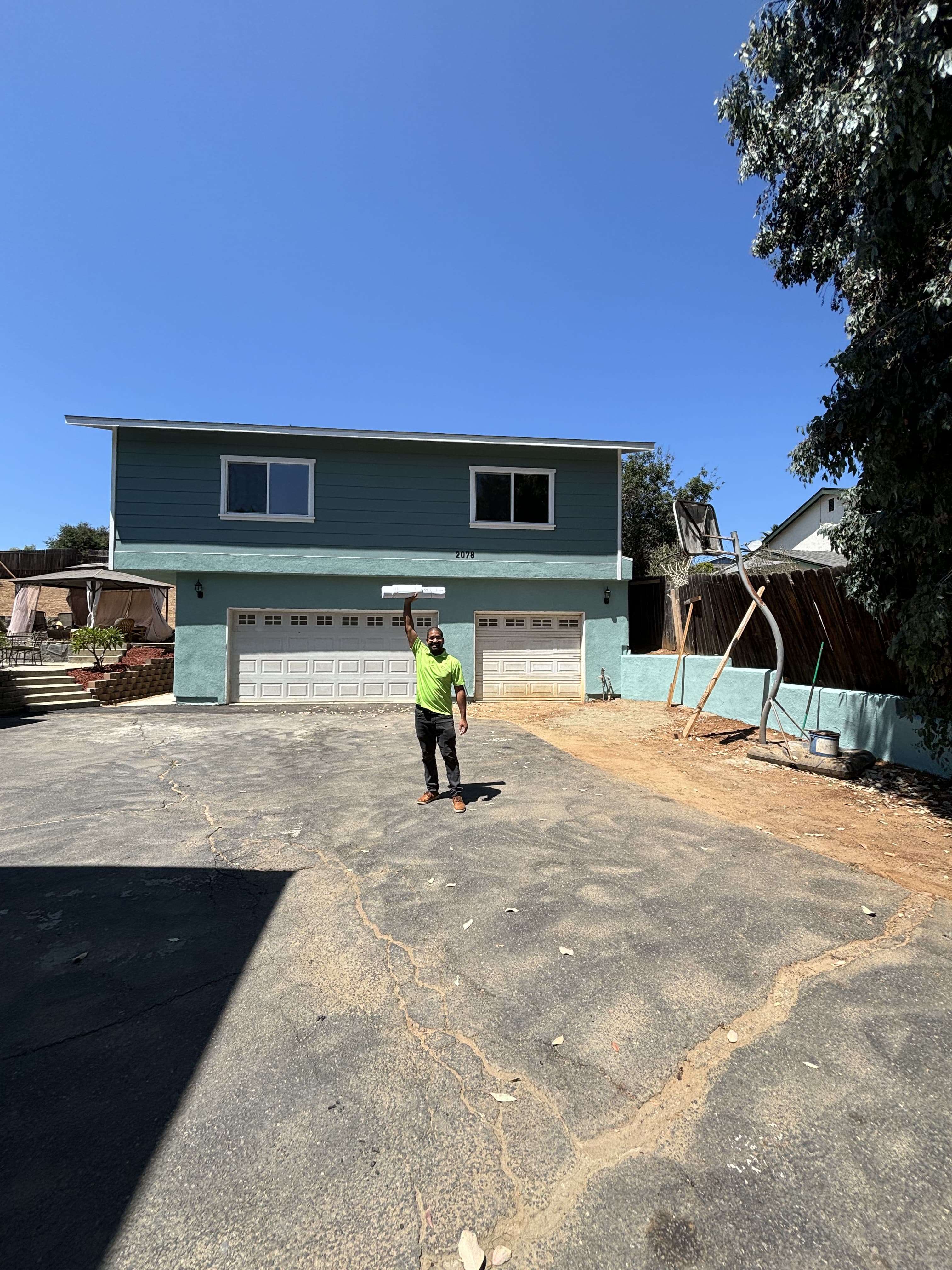
A 2026 rule change made JADUs far more flexible. Compare JADU, attached, and detached ADUs on cost, fees, and owner-occupancy before you build.
Most homeowners come to us having already decided what they want to build — usually a detached backyard cottage, because that's the picture everyone has in their head. Then we walk the lot, look at the budget, and about a third of the time the better answer turns out to be something else entirely.
There are three ways to add a unit to a single-family property in California, and they differ enormously in cost, timeline, and what you can do with them afterward. One of them got noticeably more attractive on January 1, 2026. Here's how to think it through before you spend money on drawings.
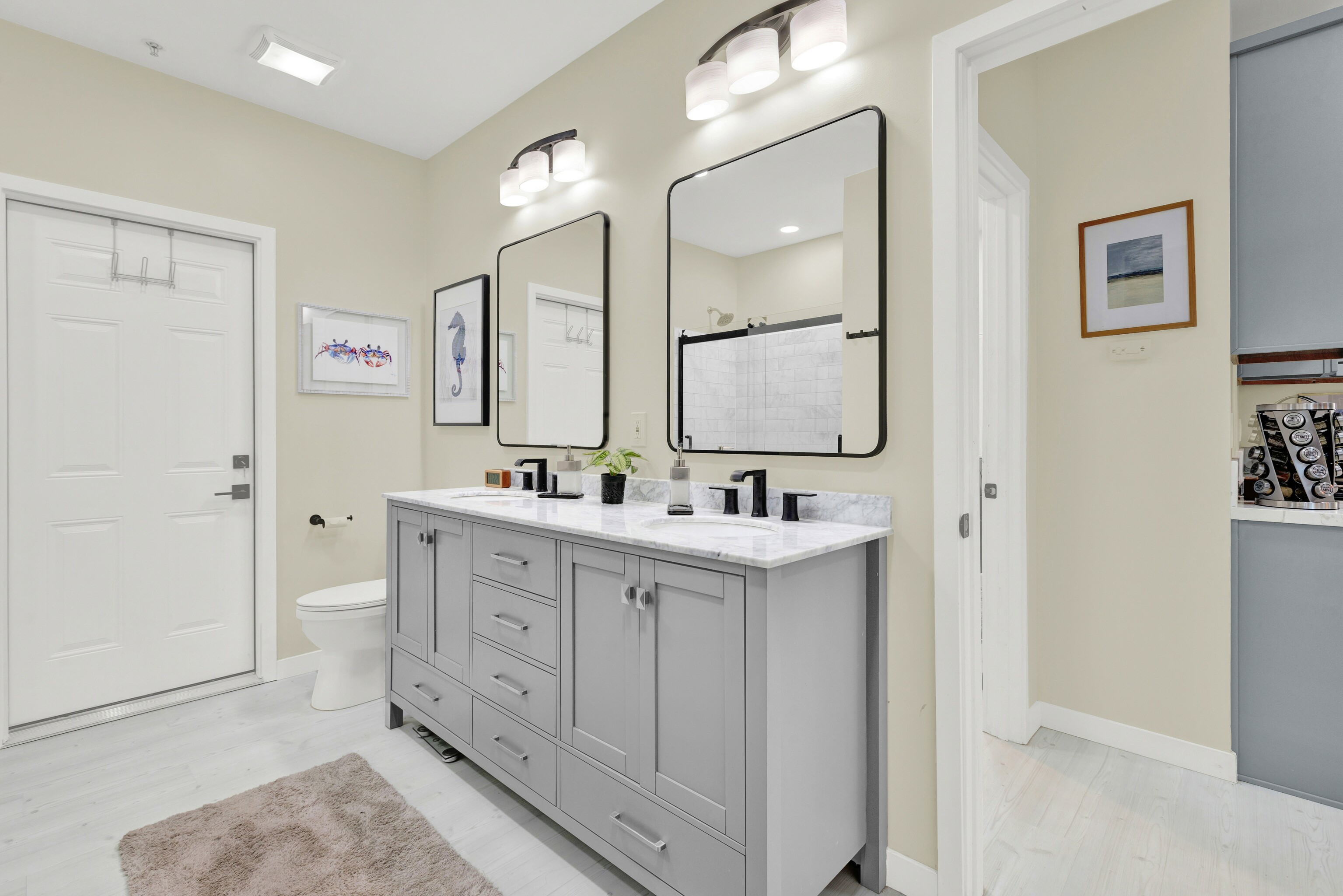
The three options in one paragraph
A JADU (junior ADU) is carved out of the existing house — up to 500 square feet, entirely within the walls of an existing or proposed single-family residence, including an attached garage. An attached ADU is new square footage bolted onto the primary home, sharing at least one wall. A detached ADU is a separate structure in the yard. All three must be approved ministerially in residential zones, meaning staff-level review against objective standards with no hearing and no neighbor vote.
Option 1: The JADU — cheapest path in, one string attached
A JADU is almost always the least expensive unit you can create, because you're not pouring a new foundation, running a new sewer lateral, or framing a new envelope. You're converting space you already own and pay taxes on.
The state rules, per California's Department of Housing and Community Development ADU housing law fact sheet, are specific:
- Maximum 500 square feet, created entirely within the walls of an existing or proposed single-family home.
- One JADU per single-family lot.
- It may share a bathroom with the main house.
- Jurisdictions cannot charge impact fees on a JADU at all — not reduced, none.
- If it replaces a garage, the city cannot require replacement parking.
The string: owner-occupancy — and what changed in 2026
Historically the JADU's catch was owner-occupancy: create one, and you had to live on the property. That rule just got narrower.
Under AB 1154, signed in September 2025 and operative for 2026, owner-occupancy is required only where the JADU shares sanitation facilities with the existing structure. HCD's fact sheet states it plainly: in a residence with a JADU that shares a bathroom with the main house, the owner must occupy either the JADU or the primary residence, with limited exceptions (including government agencies, land trusts, and qualifying housing organizations).
The practical translation: give the JADU its own bathroom, and the owner-occupancy requirement generally falls away. If you were ruling out a JADU because you eventually want to move and keep the property as a rental, a private bath may be the single most valuable 40 square feet in the project.
One limit that stays: a JADU must be rented for terms longer than 30 days. It is not a short-term rental play.
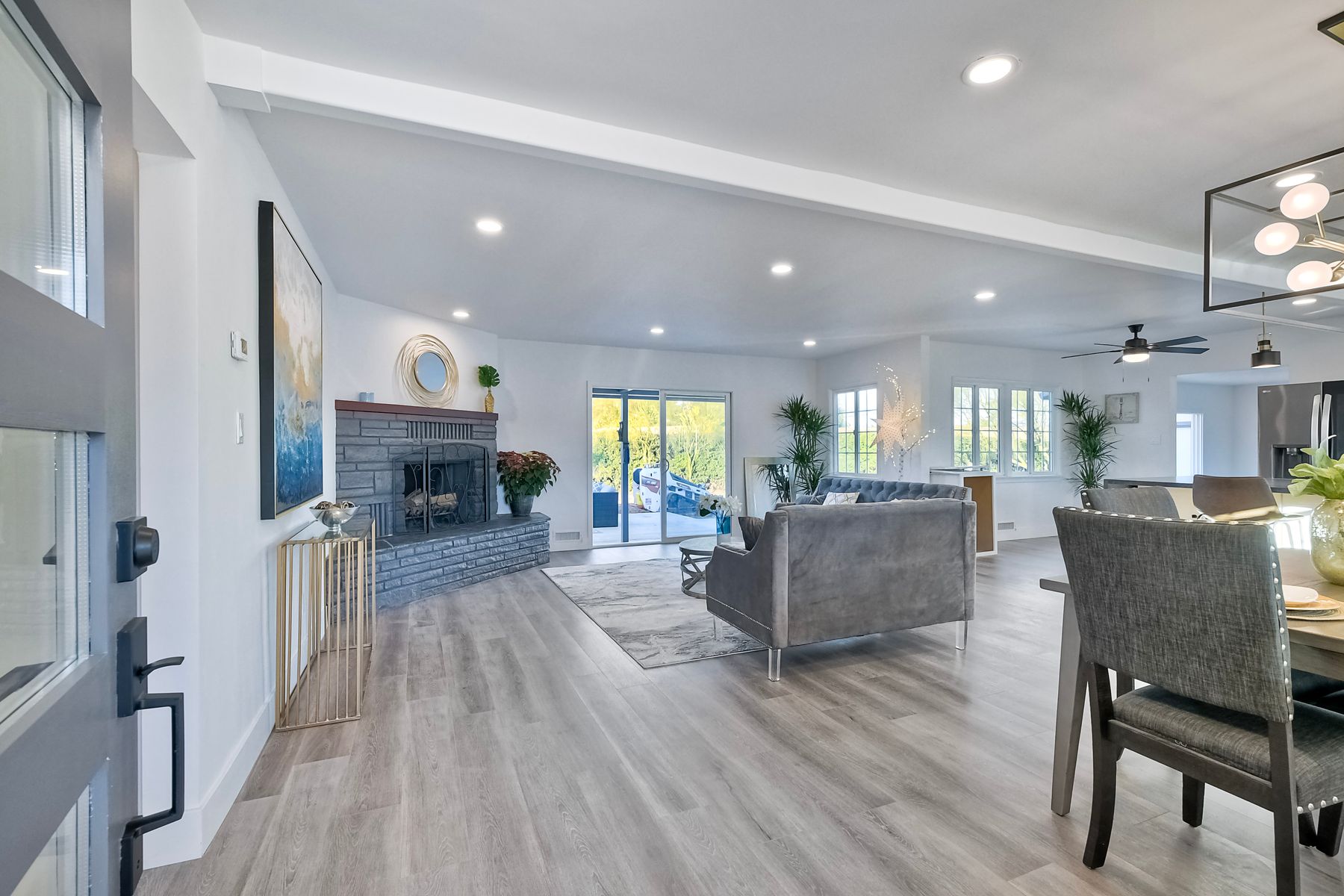
Option 2: The attached ADU — the middle path
An attached ADU shares a wall with the house, which means it can often share a foundation edge, a roof run, and — critically — utility infrastructure. That's where the savings live. It usually costs less per square foot than detached construction while still producing a genuinely separate unit with its own entrance.
The tradeoffs are real, though:
- Privacy is thinner. Shared walls transmit sound, and you'll want to budget for real acoustic detailing rather than discovering the problem after move-in.
- It complicates the main house. Cutting into an existing structure means you're now renovating two buildings at once, and surprises behind the drywall become your surprises.
- Design is constrained by where the existing house actually sits on the lot.
Attached ADUs make the most sense on lots where yard space is scarce or where the existing floor plan already has a logical place to graft on — a side yard with a straight run, or an existing single-story wing.
Option 3: The detached ADU — most rent, most cost, most flexibility
Detached units command the highest rents and appeal to the widest tenant pool, for the obvious reason: they feel like a home rather than a room attached to someone else's. They're also the most expensive per square foot, because everything is new — foundation, envelope, roof, and usually a new utility run across the yard.
They also have the cleanest long-term story. Nothing about the main house constrains the design, you can build while living undisturbed in the primary residence, and multigenerational arrangements work far better with real separation. You can see how these actually land on real San Diego County lots in our portfolio.
The rules that apply no matter which you choose
Several state protections apply across all three types, and knowing them keeps a jurisdiction from quietly shrinking your project:
- Size floors. A local ordinance may not set a maximum ADU size below 850 square feet, or 1,000 square feet if the ADU has more than one bedroom.
- Setbacks. Cities may not require side or rear setbacks greater than four feet for a new-construction ADU.
- Impact fees. No impact fees on ADUs under 750 square feet. Above that, fees must be charged proportionally by comparing the ADU's floor area to the primary dwelling's — not as a flat charge.
- Parking. No more than one space per unit, and no parking at all may be required for ADUs within a half mile of public transit, in historic districts, or converted from existing space. No replacement parking when a garage is converted.
- No minimum lot size, and no limits on the number of bedrooms.
Two San Diego–specific notes
San Diego's 2026 Land Development Code update, effective July 2026 for properties outside the Coastal Zone, confirms that a single-family property can have one JADU, one converted ADU, and one detached or attached ADU — these are stackable, not either/or. On existing multifamily properties, state law allows up to eight detached ADUs, capped at the number of existing units.
If you're in the Coastal Zone — much of Carlsbad and the coastal corridor — be aware that where a certified Local Coastal Program conflicts with State ADU Law, the LCP provisions supersede it, with the 60-day decision deadline as the notable exception. Coastal lots need their own conversation.
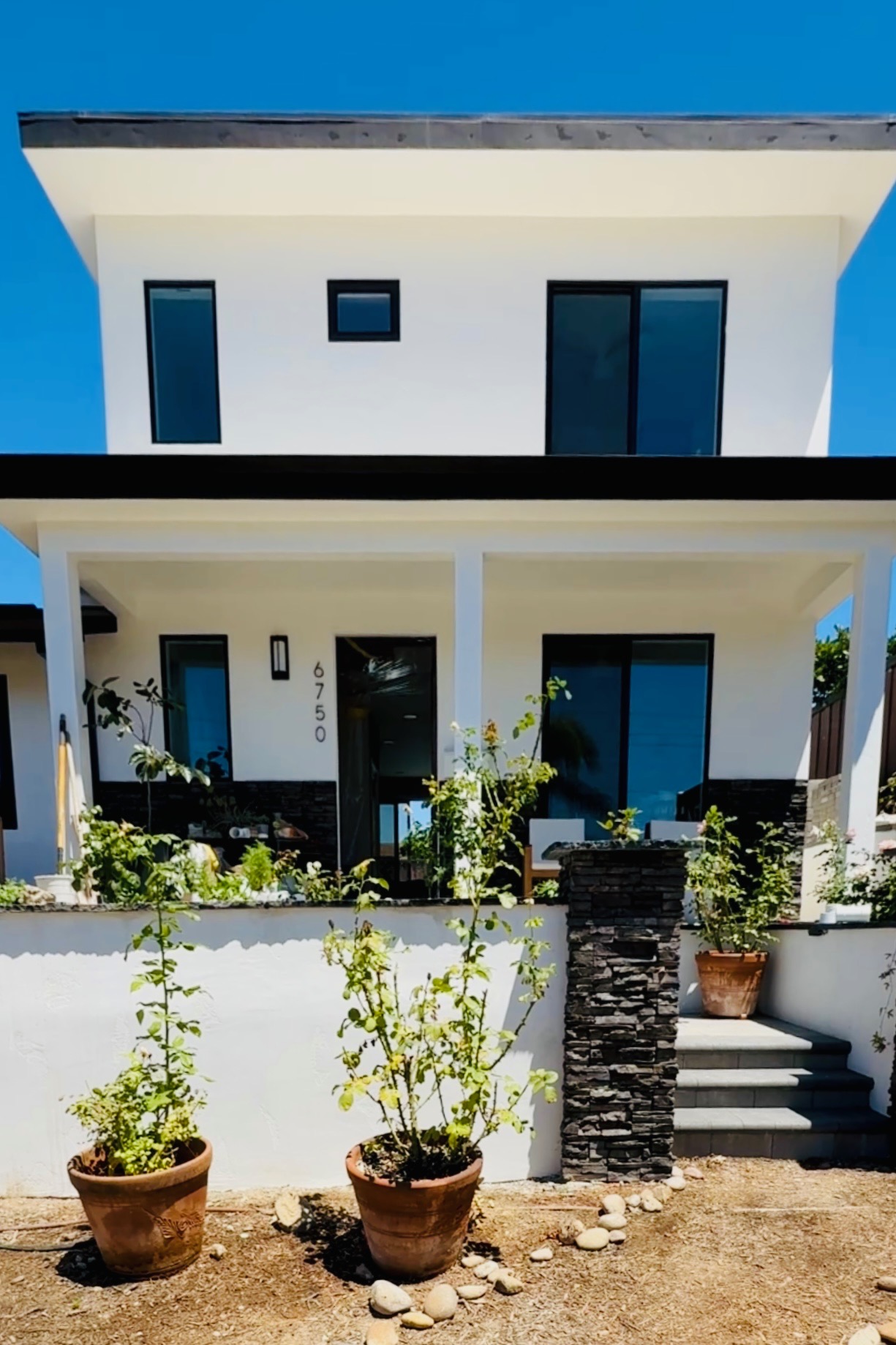
How to actually decide
Strip away the aesthetics and it usually comes down to four questions:
- What's the budget ceiling — hard, not aspirational? If the honest number is tight, a JADU with its own bathroom delivers a rentable unit for a fraction of detached cost, with zero impact fees.
- Do you plan to keep living there? If you might move and rent the whole property, the private-bathroom JADU or a separate ADU keeps your options open.
- Who's actually moving in? Aging parents and adult children usually want separation. A tenant you'll never see cares more about the unit than the yard.
- What does the lot allow? Slope, setbacks, existing utility locations, and fire hazard zone designation constrain this more than most homeowners expect — which is why we walk the property before recommending anything.
There's no universally correct answer. There's a correct answer for your lot, your budget, and your ten-year plan. Standardized pre-approved plans can shortcut a lot of the design cost once the type is settled, and if the numbers are the deciding factor, our financing overview covers how homeowners typically fund each path.
Get a real read on your lot
Casita ADU is a construction management agency — we represent the homeowner, not a construction crew, which means we have no reason to steer you toward the most expensive option. Sometimes the honest recommendation is the 480-square-foot garage conversion.
If you're weighing these three against each other, book a free site walk. We'll look at the actual property, tell you which types are genuinely viable, and give you a straight comparison of what each would cost and how long it would take.
The best ADU is the one that fits the lot you actually have.