

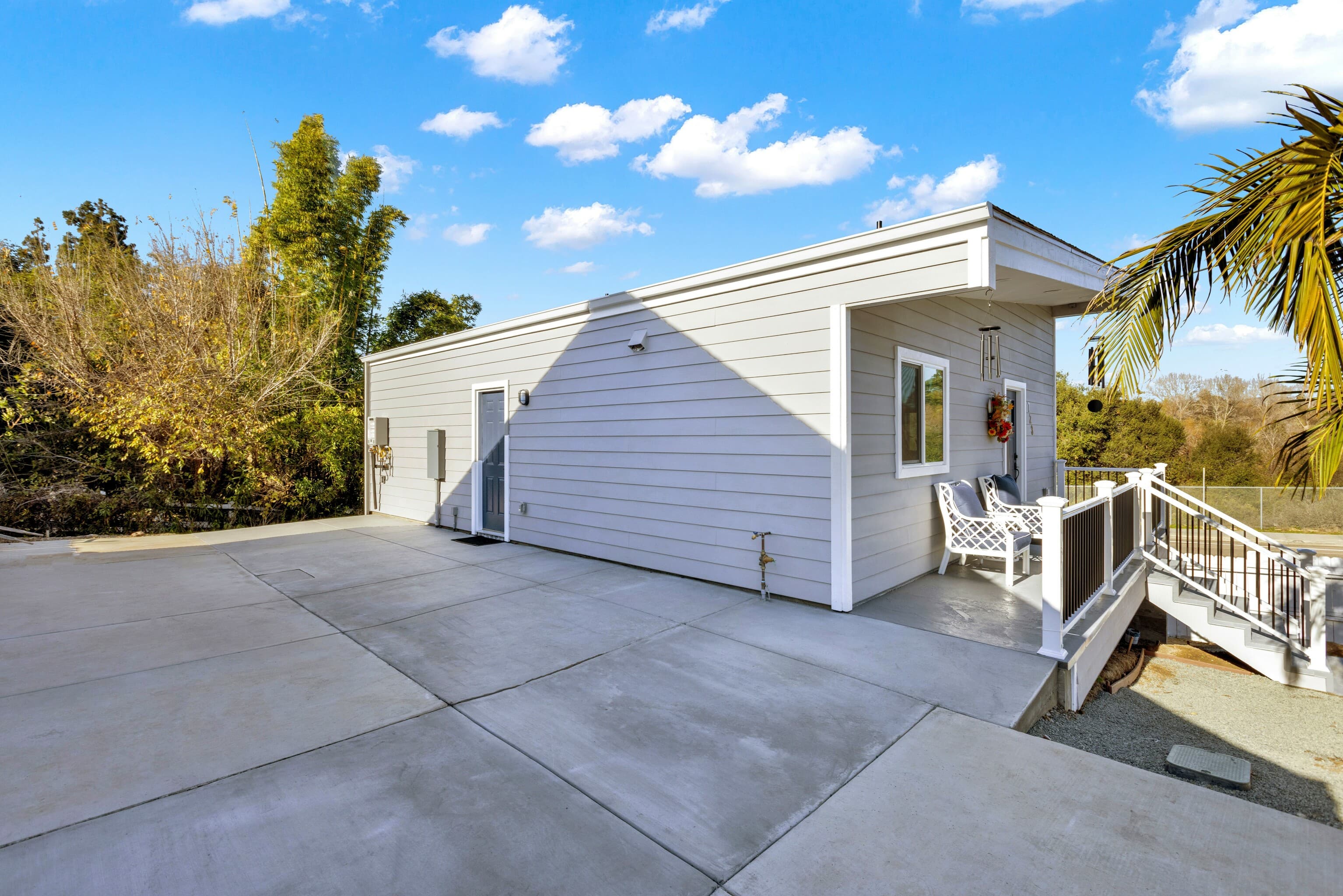
Casita is a construction management agency, not a builder. Here is what that structural difference means for your ADU's pricing, contracts, and oversight.
Somewhere in the first ten minutes of most site walks, a homeowner asks us some version of the same question: so are you the ones who actually build it?
It is a fair question, and the answer — no, not in the way you might mean — usually leads to the most useful conversation of the whole meeting. Casita is a construction management agency. We are not a licensed general contractor, and that is a deliberate structural choice rather than a gap in what we offer.
Here is what the difference actually means for your project, and where each model genuinely serves people better.
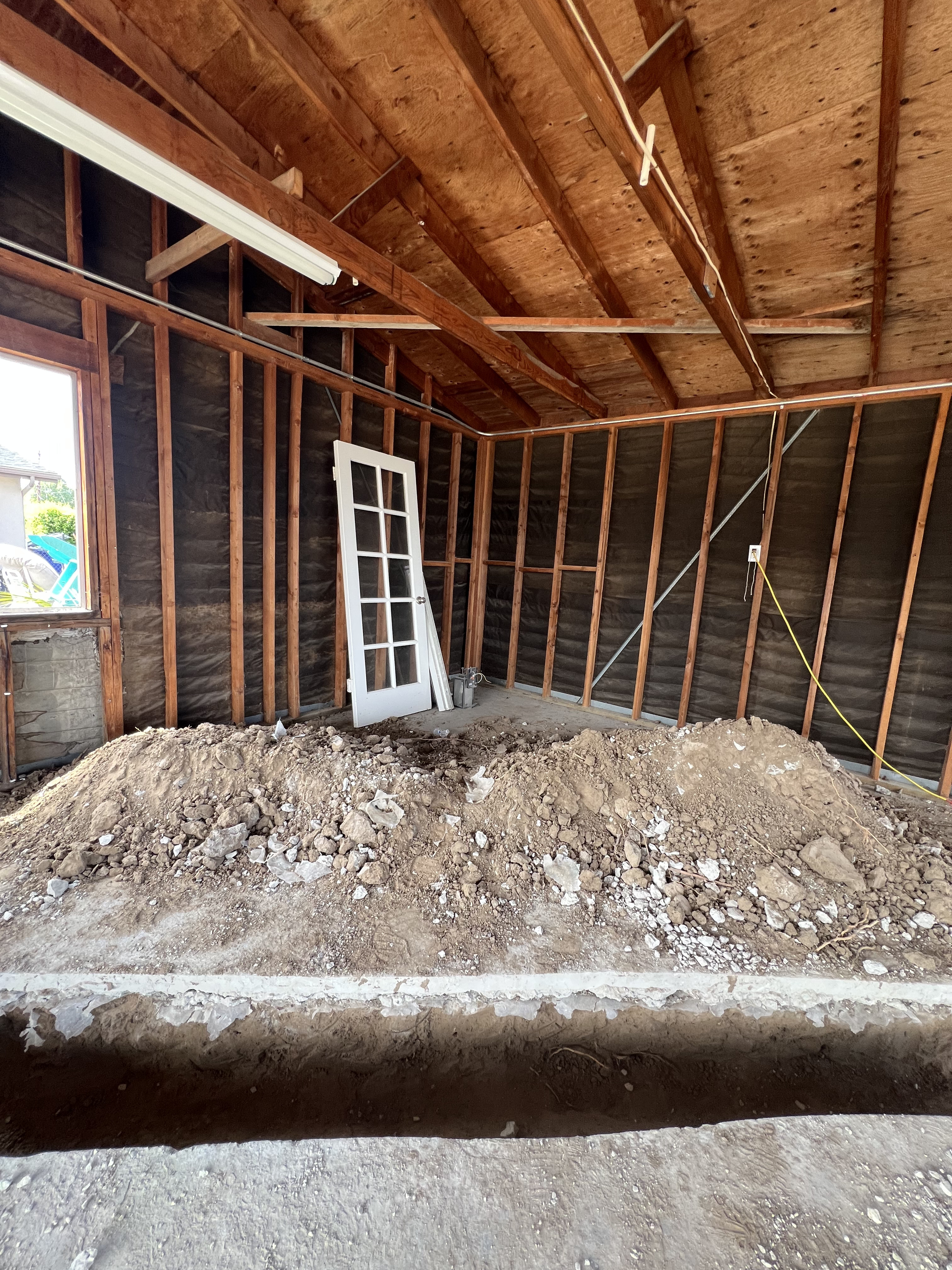
Two Different Business Models
Most of the ADU market runs on one of two structures. They sound similar in a brochure and behave very differently on a job site.
The design-build model
A design-build firm designs your ADU and then builds it. One company, one contract, one signature. They draw the plans, they price the work, and their own crews or their own subcontractors execute it. When you sign, you are buying a finished building for a stated number.
The construction management model
A construction management agency works as your representative rather than your builder. We define the scope, run the design and permitting, put the whole build out to competitive bid among vetted general contractors, and then supervise the work on your behalf through close-out.
The distinction that matters: in design-build, the company that prices the work is the company that performs it. In construction management, those are separate parties, and we sit on your side of that line.
Where the Money Actually Differs
This is the part worth slowing down on, because it is where the two models diverge most.
In a design-build agreement, construction margin is embedded in the number you are quoted. That is not dishonesty — it is simply how the model works, and a builder is entitled to margin on work they carry the risk for. But it does mean the price you receive has not been tested against anyone else, and when a change order comes up mid-project, it is priced by the same party performing it. You are relying on the relationship, because the market never weighed in.
Under construction management, competitive bidding is the mechanism. Your completed plans and scope go out to a field of general contractors we have already vetted, and they bid against each other for the whole build. You see the bids. You see where they differ, which is often more informative than the totals — one GC has excluded something another carried, and that gap is exactly where budget surprises are born. Part of our job is reading every bid for those exclusions before you sign anything, not after.
The vetting matters as much as the bidding. A bid field is only useful if every name in it is one you would be comfortable signing with, which is why the low number does not win by default. We are comparing qualified contractors against each other, not hunting for the cheapest quote on the market.
Our fee is for management. It is not margin on the construction itself, which means we have no financial reason to prefer a more expensive GC over a qualified one that costs less.
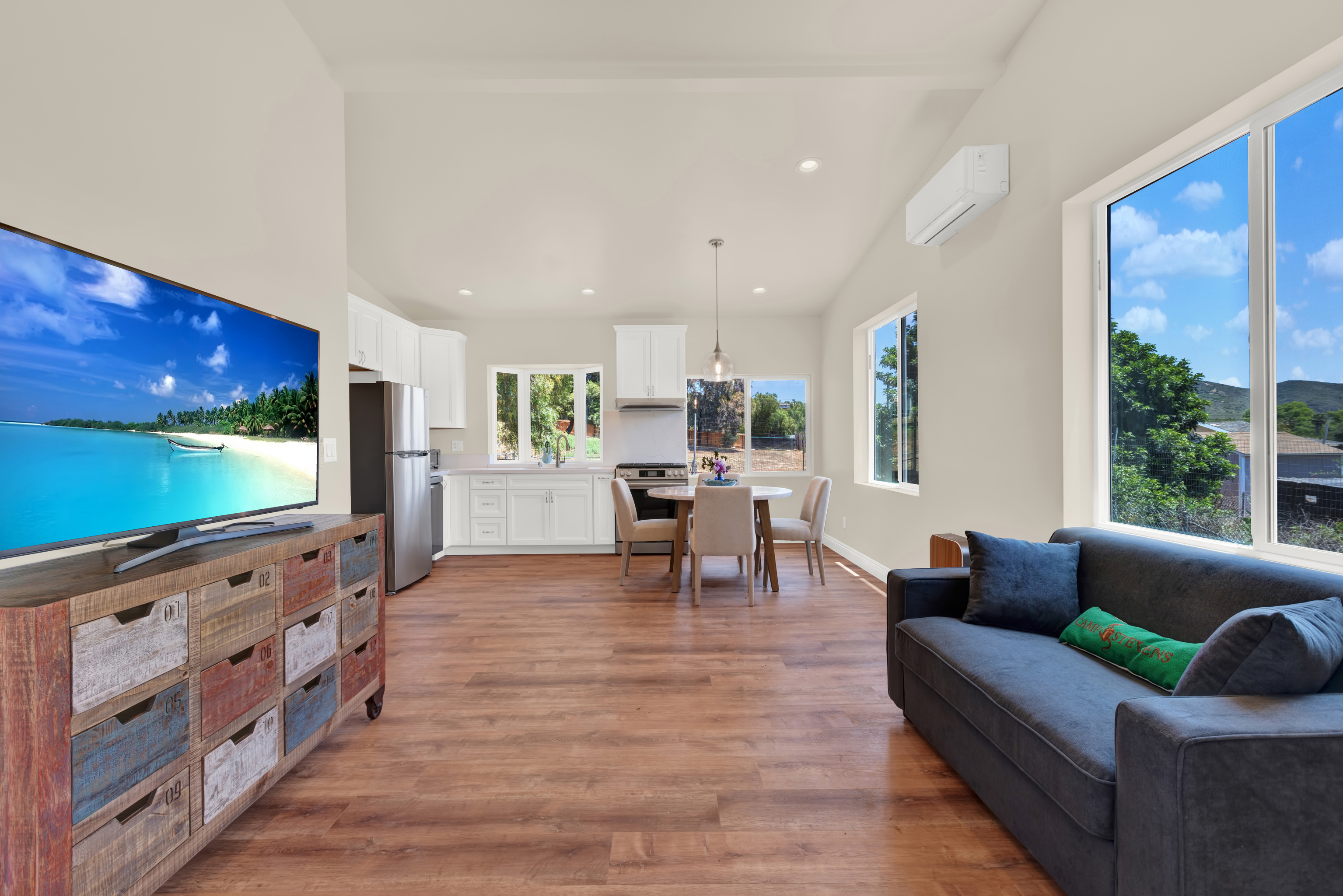
Where Design-Build Genuinely Wins
We would rather you choose the right model than choose us, so let us be straight about this: design-build is a good fit for a lot of people, and sometimes it is the better answer.
- Simplicity. One contract and one throat to choke has real value. If something is wrong with the building, there is no question whose problem it is.
- Speed on standardized products. A firm building the same three floor plans repeatedly has genuinely optimized that path. If one of those plans fits your lot and your taste, you may well get there faster.
- Fewer decisions. Construction management is more transparent, and transparency means seeing things. Some homeowners do not want to see bid comparisons or weigh in on which contractor gets the job. That preference is completely legitimate.
- No seam between design and construction. When one firm drew the plans and built from them, a problem in the field cannot become an argument about whether the drawings or the workmanship caused it. That seam is real in any model that separates the two, and closing it has value.
If what you want is to pick a plan, sign one document, and be handed keys, design-build is built for that and we will tell you so.
Where Construction Management Wins
The model tends to pay off when any of these are true:
- Your site is complicated. Slope, tight access, difficult utility runs, or an awkward setback situation means the plan needs to respond to the lot rather than the other way around. Bidding a custom scope beats fitting your property to a catalog.
- You want to see the numbers. Some homeowners are genuinely uncomfortable with a single bundled figure. If you want to know what the concrete actually cost, this model shows you.
- The project is larger or unusual. Multi-unit work, premium finishes, or anything off the standard path benefits from scope that gets written deliberately and priced by specialists.
- You want someone whose only job is your interest. An owner's representative has no crew to keep busy and no construction margin to protect. When we tell you a bid looks light or a detail will cause trouble later, there is nothing on our side of the table pulling the other way.
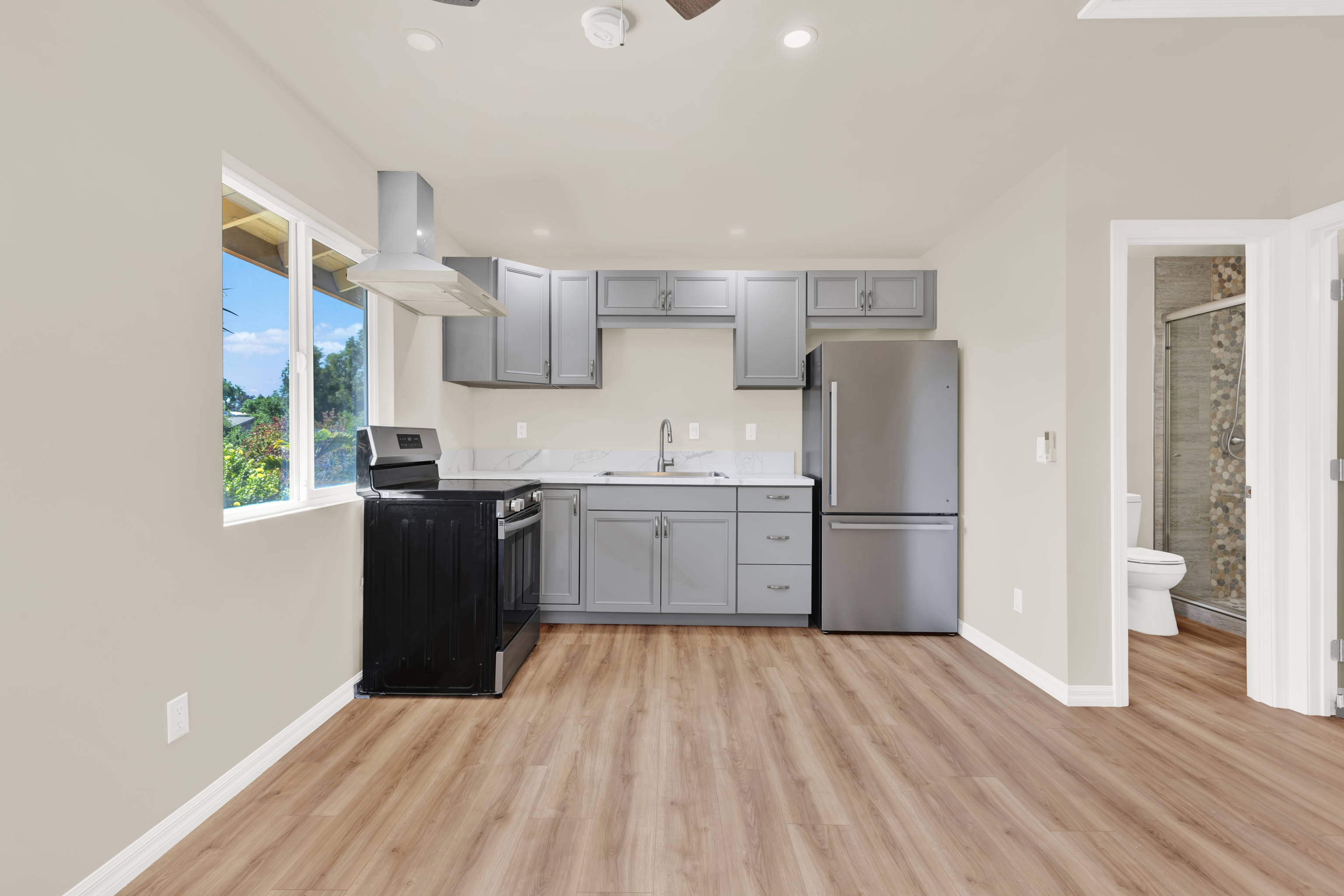
What This Looks Like on Your Project
Practically, our process runs about nine to thirteen months from first design meeting to keys on a typical detached or attached ADU (six to ten for a garage conversion): consultation and site walk, then design and planning, then permitting — usually the longest stretch — then competitive bidding while the city reviews the plans, then construction, then handover.
Throughout all of it you have one point of contact. That is the piece people sometimes assume they lose by not hiring a single firm, and it is not true. Your GC runs their own trades, and we manage your GC — so you are not chasing progress updates, refereeing questions between the drawings and the field, or finding out about a problem when an inspector does. We do that. The difference is that the contracts and the pricing stay visible to you rather than folded into someone else's number.
We also handle the parts of the job that have nothing to do with hammers: permitting and city communications, plan check responses, inspection coordination, and the follow-through that turns a submitted application into an approved one.
And if you want to go further and run your own build, we offer a lighter owner-builder advisory service — you hold every contract and make every call, and we advise. It is a different service with a different fee, and we would rather sell you the right one than the bigger one.
How to Evaluate Anyone You Talk To
Whichever model you lean toward, a few checks are worth doing regardless of who you are considering:
- Verify licensing yourself. The California Contractors State License Board lets you check any license and see its classification and status. Anyone performing construction on your property should hold an active license in the right classification and carry their own workers' compensation.
- Ask what is excluded. The most expensive words in construction are the ones that are not in the scope. Ask directly what a proposal does not cover.
- Ask how change orders get priced. Every project has them. What matters is whether you will find out the cost before or after the work happens.
- Ask who carries what risk. If work fails an inspection or something gets damaged, who pays to fix it? Get the answer before you need it.
Good firms of either type will answer all four without hesitation.
Which One Fits You
There is no universally correct answer here, and any company telling you otherwise is selling rather than advising. Design-build trades transparency for simplicity. Construction management trades simplicity for transparency and competitive pricing. Both build good ADUs.
What we would ask is that you choose deliberately rather than by default — because most homeowners never learn there was a choice until the project is already underway.
If you would like to talk it through against your actual lot rather than in the abstract, book a free site walk. We will look at setbacks, access, utilities, and slope with you, give you an honest read on what your property supports, and tell you plainly if we think a different model serves you better. You can also look through our completed projects to see the range of what this approach has produced across San Diego County.
Either way, you will leave the conversation knowing more than you came in with. That is worth an hour of a Saturday.