

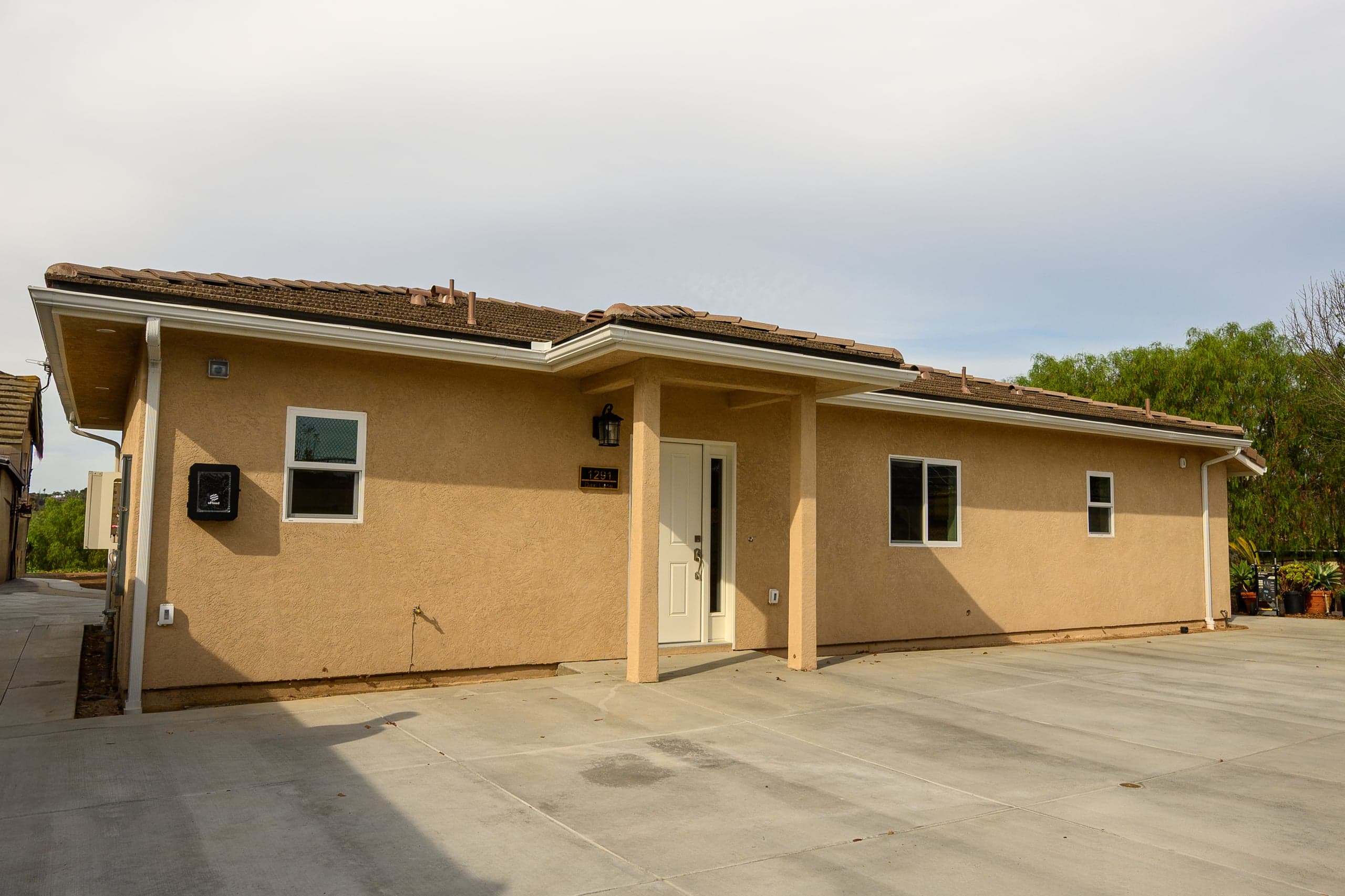
Water, sewer and power hookups can surprise an ADU budget. Here is what California law says about connection fees, meters and panel upgrades in San Diego.
When homeowners picture their ADU, they picture the kitchen, the windows, the little patio out front. What they rarely picture is the trench running across the backyard, the sewer lateral under the driveway, or the electrical panel on the side of the house. Yet utility connections are one of the most common places an ADU budget and schedule get surprised — usually because nobody looked closely until the plans were already drawn.
The good news: California law puts real guardrails on what water and sewer providers can charge for ADUs, and most utility questions can be answered during feasibility, long before you commit. Here's what San Diego County homeowners should know.
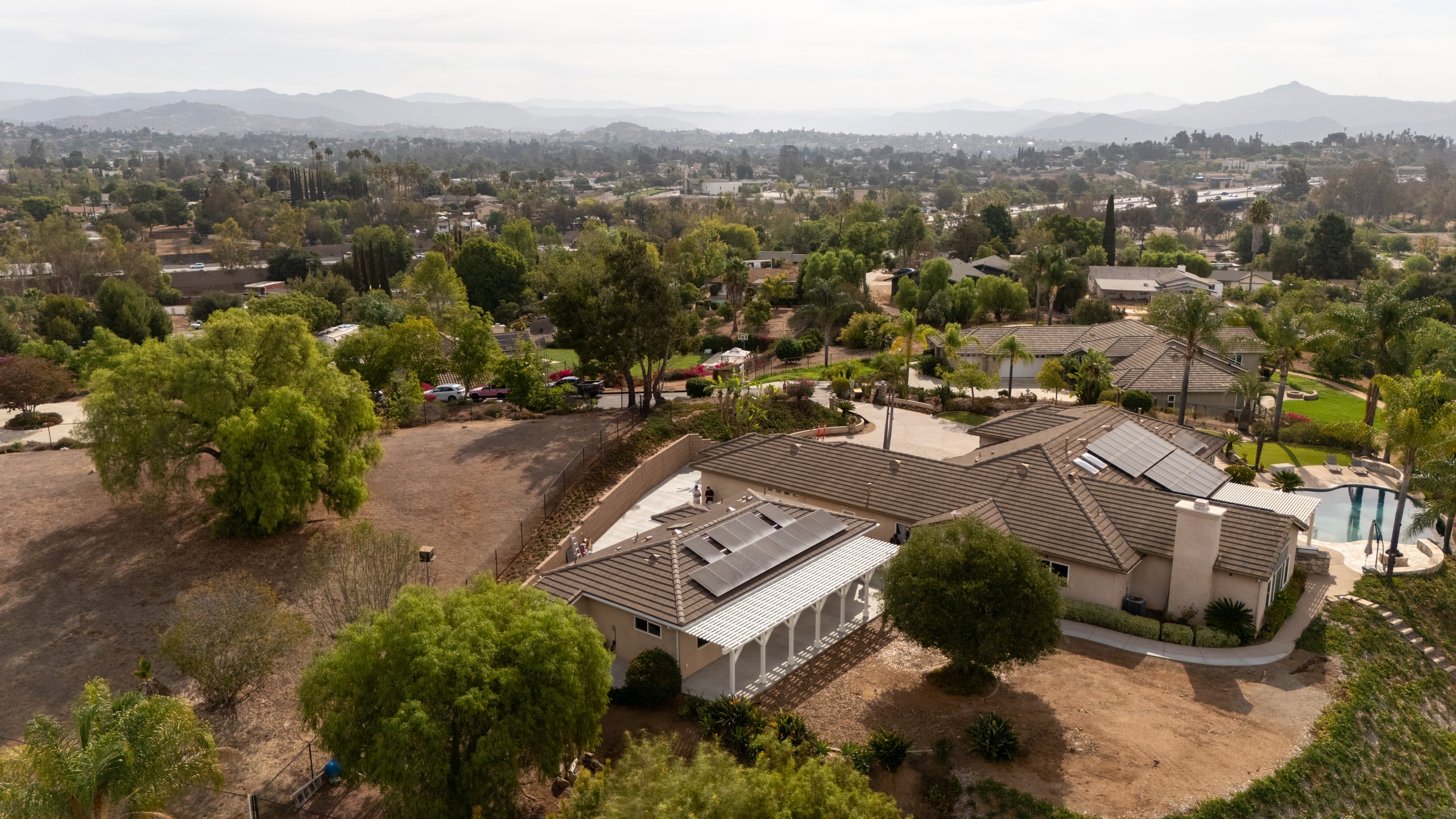
Why utilities deserve attention on day one
Every ADU needs water, sewer (or septic), and power. Many also need gas, and all of them need a way to get those lines from where they are today to where the new unit will sit. That's where costs hide:
- Distance. A detached unit at the back of a deep lot can mean a long trench for water, sewer, and electrical — and every foot of trench is labor, material, and restoration.
- Slope. Sewer lines rely on gravity. If the ADU sits lower than the point where your sewer lateral leaves the house, you may need a pump system (often called a sewage ejector), which adds equipment and maintenance.
- Capacity. Your existing electrical service, water meter, and sewer lateral were sized for one home. Adding a second, fully equipped dwelling can push one or more of them past what they were designed for.
- Condition. Older San Diego homes may have aging clay or cast-iron sewer laterals. Tying a new unit into a line that's already cracked or root-damaged can be a problem worth catching early.
None of these are deal-breakers. They just need to be measured, priced, and designed around — ideally before you pick a floor plan.
What California law says about connection fees
Water and sewer providers often charge a connection fee or capacity charge when a new unit hooks into their system. For ADUs, state law limits how that works. These rules were recently reorganized by SB 543, which renumbered and updated the state's ADU statutes effective January 1, 2026; the utility provisions now live in Government Code section 66311.5.
Conversions: no new connection, no connection fee
If your ADU or JADU is created within the existing space of your home or an existing accessory structure — the "conversion" category state law approves ministerially — the local agency, special district, or water company cannot require a new or separate utility connection and cannot impose a related connection fee or capacity charge. There are two exceptions: when the unit is built together with a new single-family home, and when the ADU is later sold separately under the state's separate-conveyance rules.
This is one of the quieter reasons garage conversions and JADUs can pencil out so well.
New detached and attached ADUs: fees must be proportionate
For other ADUs — new detached units and attached additions — a provider may require a separate connection directly between the ADU and the utility. But any connection fee or capacity charge must be proportionate to the burden the ADU places on the water or sewer system, based on either its square footage or its number of drainage fixture units (a plumbing-code measure of how much wastewater the fixtures produce). The charge also can't exceed the reasonable cost of providing the service.
In plain terms: a modest one-bedroom ADU shouldn't be billed as if it were a brand-new house.
Fire sprinklers
The same law says fire sprinklers can't be required in an ADU or JADU if they aren't required for the primary residence. That matters for utilities because sprinklers can drive up the size of the water service you need.
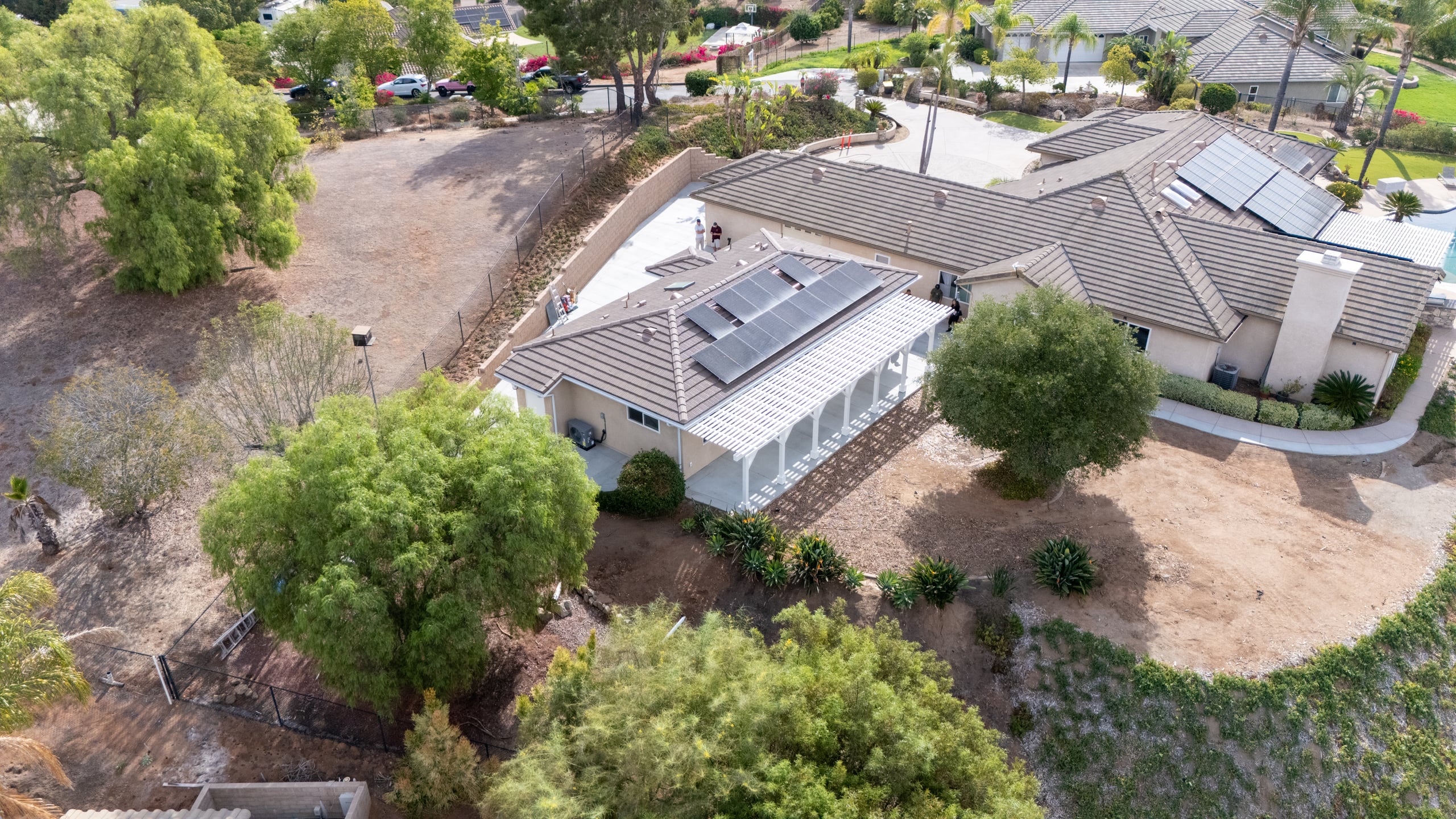
Separate meters vs. shared service
Whether you want separate meters is a different question from whether a provider can require them. A few things to weigh:
- Rental plans. If you plan to rent the ADU, separate electric metering makes it simpler to have the tenant pay their own usage. Water and sewer are frequently shared and split by agreement instead.
- Cost and space. A new electrical service or water meter means utility coordination, equipment, and sometimes work in the public right-of-way. Sharing service is often simpler and cheaper up front.
- Future sale. If you're considering selling the ADU separately someday, independent utility service becomes much more important — and, as noted above, separate conveyance is one of the triggers that can bring connection requirements back into play.
There's no universal right answer. It depends on your lot, your goals for the unit, and your provider's requirements.
The electrical panel question
Power is where many San Diego projects find their biggest utility surprise. An all-electric ADU — heat pump water heater, induction range, mini-split heating and cooling, and often an EV charger nearby — adds meaningful load to your home's service. Depending on what the main house already draws, the solution might be:
- A load calculation showing your existing panel can handle the addition as designed.
- A subpanel fed from the main service to serve the ADU.
- A main service upgrade, which requires coordination with SDG&E and can have its own lead time.
- A separate new service dedicated to the ADU.
Load-management devices and smart panels can sometimes avoid a full upgrade. The key is having an electrician run the numbers during design, not after the drywall is up. (If you're planning solar alongside your ADU, that belongs in the same conversation.)
Questions to answer before you finalize plans
Here's the utility checklist we like to work through during feasibility:
- Where does the sewer lateral exit the house, and is the ADU site uphill or downhill from it?
- Is the property on public sewer or septic? (Septic properties in unincorporated parts of the county carry their own review.)
- What's the condition of the existing lateral? A camera inspection is inexpensive insurance.
- What size is the existing water meter, and will it support another dwelling's fixtures?
- What's the rating of the main electrical panel, and what's the home's existing load?
- Which water and sewer provider serves your address, and what are its ADU connection policies?
- Do you want separate meters for rental, financing, or future-sale reasons?
Your jurisdiction's ADU rules are the other half of the picture. City of San Diego homeowners can start with the city's ADU and JADU information bulletin; other cities and the County each publish their own requirements.
How we handle utilities at Casita
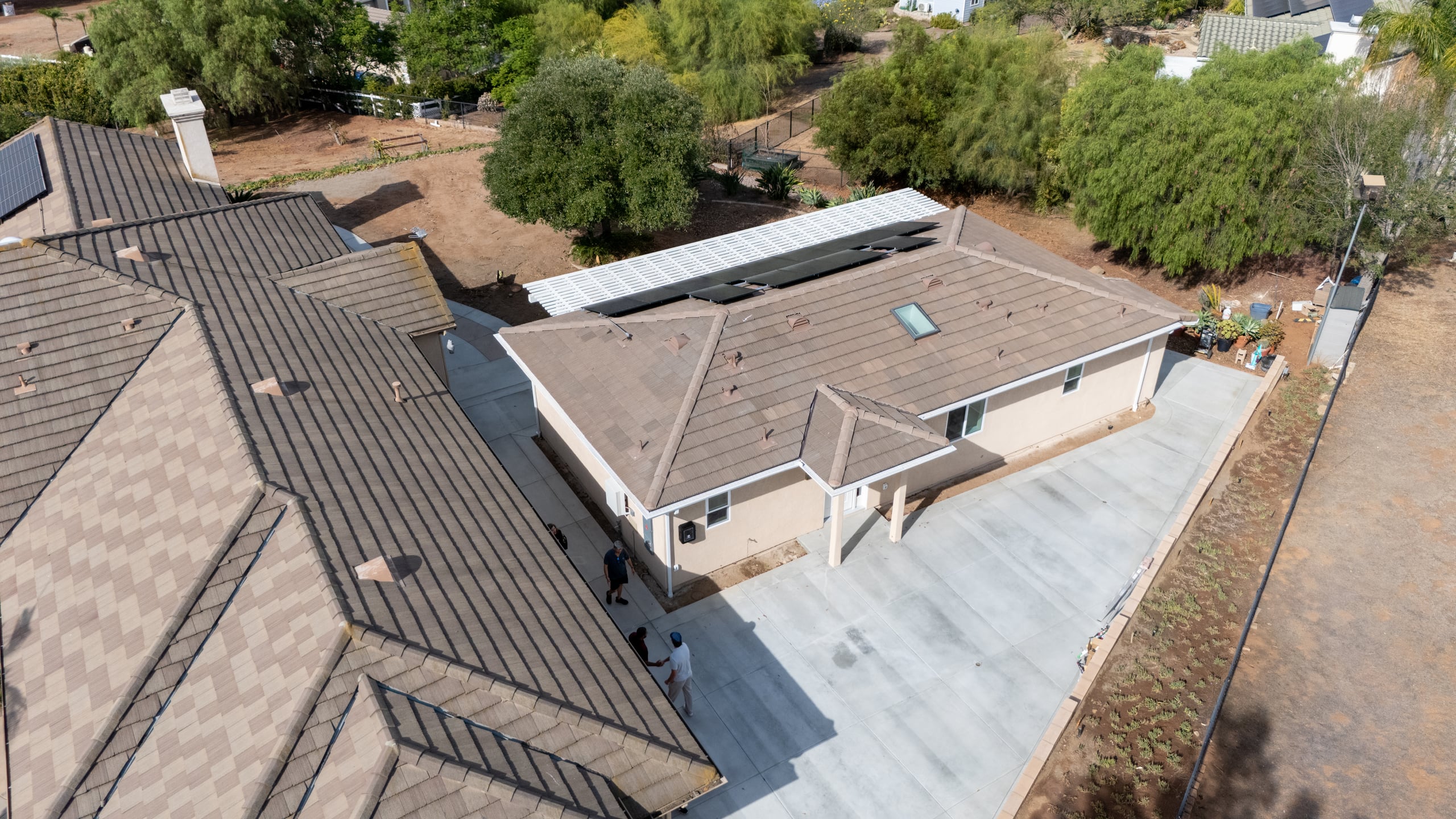
As a construction management agency, our job is to make sure these questions get asked early and answered by the right people — surveyors, designers, electricians, plumbers, and the utility providers themselves — so the numbers in your budget reflect your actual site. Utility routing and capacity are part of how we evaluate a lot before design ever starts, which you can see in our process.
If you're weighing a garage conversion versus a new detached unit, the utility picture is often one of the deciding factors. Our pre-approved plans can also help, since a known footprint makes it easier to estimate trench runs and loads with confidence.
Curious what your lot's utilities mean for your ADU? Book a free site walk and we'll walk the property with you, look at where your services are today, and talk through the options before you spend a dollar on design.
The bottom line
Utilities aren't the glamorous part of an ADU, but they're one of the most predictable parts — once someone actually looks. California law keeps connection fees fair, conversions often avoid them entirely, and a little early investigation turns "surprise" costs into planned ones. Start with the ground under your feet, and the rest of your project gets a lot easier to plan.